
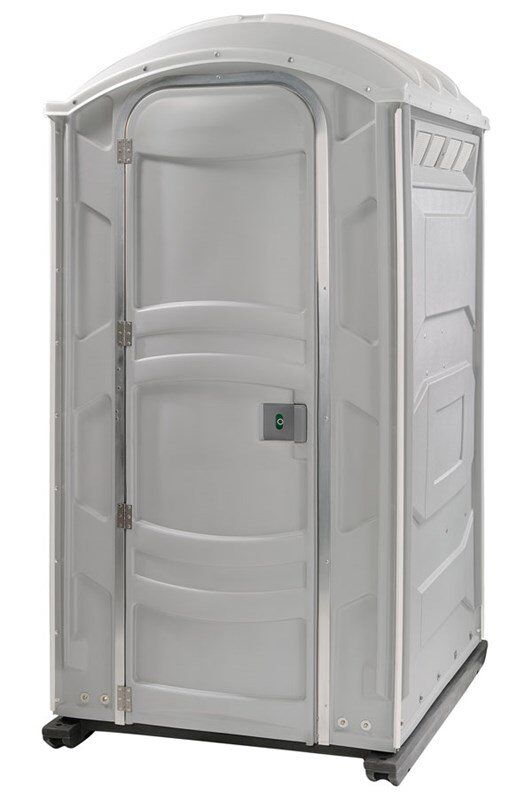
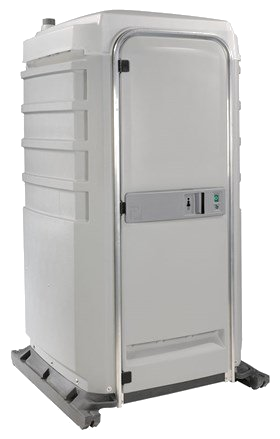
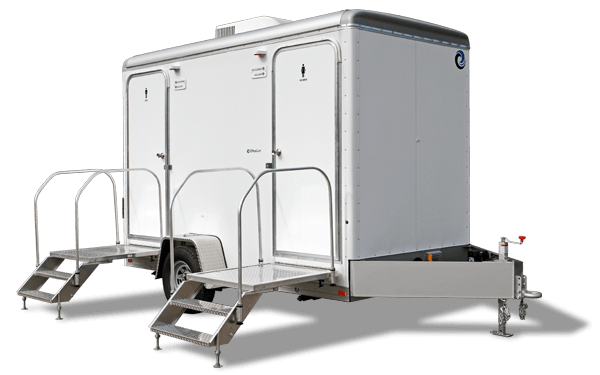
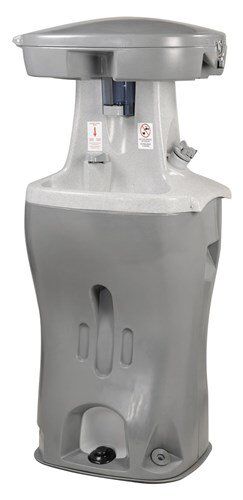

Where you set down portable restrooms affects almost everything that follows: how easily people use them, whether the service truck can reach them, and how safe and clean they stay. A spot that looks fine on a site map can fail on delivery day if it is soft, sloped, or blocked.
Put portable restrooms on firm, level ground near the people using them, with a clear route for the service truck. Keep them away from food areas, hazards, and blocked access. Here is how to get there.
What Makes a Good Porta Potty Location?
Before approving any spot, check that it is:
- Firm and level, so the unit stays stable
- Convenient, close enough that people will actually use it
- Reachable by the service truck for delivery, servicing, and pickup
- Clear of hazards, food service, and emergency routes
- Visible and well lit, so it is easy to find and safe to use
The goal is a balance: restrooms that people can find and reach quickly, without disrupting the event or the work around them.
Check the Ground and Site Conditions
The Best Surfaces
Pavement, compacted gravel, and firm, dry ground work best because they reduce rocking and sinking. Grass can be fine when it is solid, but a spot that looks good today can turn to mud after a heavy rain, so check the forecast.
Spots to Avoid
- Slopes and uneven ground
- Soft soil and low areas where rainwater collects
- Drainage ditches, storm drains, and other places where a spill could travel
- Areas under low branches, awnings, or overhead wires (units are 7 ft 5 in tall)
- Emergency exits, fire lanes, and vehicle turning paths
If you are unsure about a spot, describe it or send photos when you request a quote. It is much easier to adjust the plan before delivery than after.
Where to Place Porta Potties at an Event
Near Traffic, Not in the Middle of It
Place units near natural gathering points, such as entrances, parking areas, and the edges of activity zones, without putting them in the center of the crowd. Leave room for a line to form and for guests to come and go.
Use Clusters at Larger Events
At larger sites, several smaller groups of units usually work better than one distant bank. Clusters cut walking time, spread out demand, and keep one area from being overloaded while another sits empty. Just make sure each cluster still has safe truck access.
Keep Distance From Food and Seating
Guests should be able to find the restrooms easily, but they do not belong next to the buffet, ceremony seating, or dining tables. Leave a sensible gap from food service, and place handwashing stations nearby.
Light the Path and Add Signs
If your event runs after dark, light the path, the door, and the surrounding area. Clear signs help guests find the restrooms without asking.
Weddings and Formal Events
For weddings and upscale gatherings, place restrooms where they are easy to reach but not front and center. Screening, landscaping, or a spot behind the tent can help. A flushable unit or restroom trailer can improve the guest experience. Trailers need level ground, room for the tow vehicle, and access to power and water, so confirm these early.
Where to Place Porta Potties on a Job Site
Close to Workers, Away From Hazards
On a construction site, place units close enough that workers can reach them quickly, but outside active work zones, equipment paths, and areas where trucks reverse or materials are staged.
Think About the Whole Project
Do not plan only for delivery day. A spot beside an empty lot can become unreachable once pallets, dumpsters, fencing, or equipment arrive. Consider how the site will change over the rental period, and pick a location that a service truck can return to on schedule.
Spread Units Across Large Sites
OSHA’s sanitation standard sets minimum facilities based on crew size, and the working figure we plan around is about one unit per 10 workers on a standard week. On larger sites, put units near separate work zones instead of asking everyone to walk to one corner. Review our OSHA requirements guide for details, and check any state or local rules that may apply.
Leave Room for Delivery and Servicing
The most common placement mistake is choosing a spot the service truck cannot reach. A unit needs more than a walking path. The truck must be able to enter, get close enough to service the unit, and leave without driving through a crowd.
- Locked gates, parked vehicles, barricades, and vendor setups can block access.
- Low branches, overhead wires, and narrow turns can stop a truck.
- For recurring service, the route must stay clear on every service day.
Confirm who will open gates and move obstacles, and tell us how close a truck can get. Difficult site access can also affect your quote, so the more we know upfront, the more accurate it will be. Heat, humidity, and heavy traffic shorten service intervals, so plan the schedule around real use.
Place Accessible Units Where People Can Actually Use Them
An accessible restroom is only as accessible as the path leading to it. A wheelchair-accessible unit on soft ground, up a slope, or at the far end of the site does not do its job.
Place accessible units on firm, level ground along the main path, and keep the approach clear of cords, hoses, and signs. Public events and permitted venues often set their own minimums, so check your venue rules and event permit. See our wheelchair-accessible restrooms.
Permits and Permission for Placement
Short events on private property often need little more than the owner’s approval. Public property is different. Sidewalks, streets, parks, and fairgrounds may require approval from a city, venue, or health department, and permits in some public locations can add to your cost.
Confirm the approved area, delivery time, and pickup window with the property owner or venue manager before the truck arrives. When in doubt, ask early. Moving a unit after a property manager objects can disrupt the whole setup.
Porta Potty Placement Checklist
- Is the ground firm and level?
- Can users reach it easily and safely?
- Can the service truck get in, service the unit, and leave?
- Is it clear of food areas, traffic, drainage, and emergency routes?
- Is the accessible unit on a firm surface along the main path?
- Is there lighting, signage, and handwashing nearby?
- Will the spot still work once the site gets busy?
Porta Potty Placement FAQs
Can I put a porta potty anywhere on my property?
No. Units need firm, reasonably level ground with truck access. Slopes, soft soil, and low spots that collect water cause problems.
Should porta potties be grouped together or spread out?
Small events can use one central group. Festivals, large weddings, and big job sites usually work better with several clusters, as long as each has safe truck access.
Can a unit be moved after delivery?
Standard units are light enough to reposition, but it is easier before guests arrive or the site gets busy. Contact us if the layout changes.
What if my site is hard to reach?
We can usually deliver, but send us the address and a site description first. We will confirm access before your date.
Get Help Planning Your Placement
VIP Restrooms provides nationwide porta potty, restroom trailer, and handwashing station rentals with one point of contact and one invoice. Tell us about your site, dates, and headcount, and we will help you plan the setup. Request a free quote or call (888) 437-0062.