
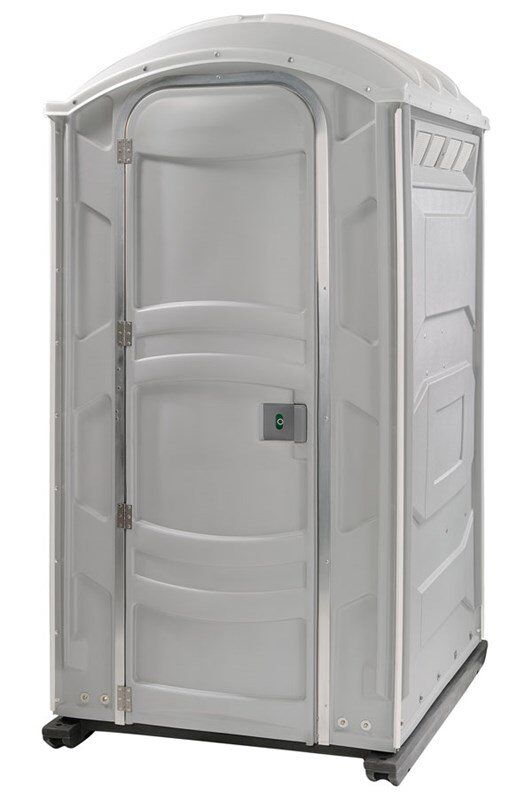
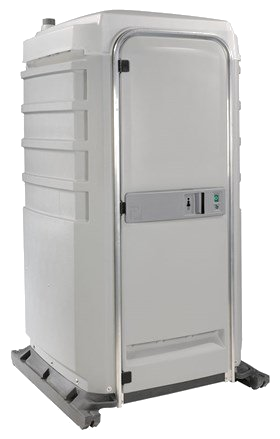
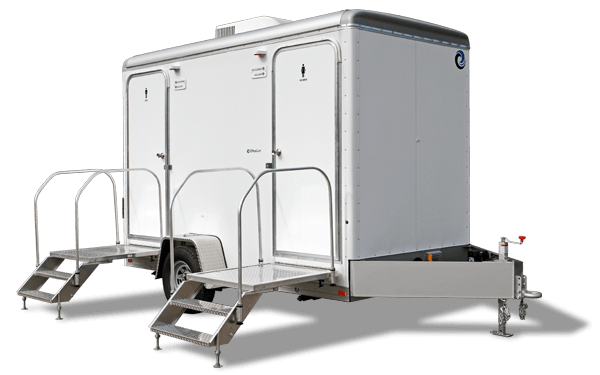
Ensuring proper hygiene at temporary sites or events begins with understanding how handwashing stations work alongside portable toilet rentals. Portable restrooms provide essential facilities, but they do not fully address sanitation on their own. Handwashing stations are critical for preventing the spread of germs, maintaining cleanliness, and improving user comfort. For event organizers, construction site managers, and facility planners, knowing how these units operate together allows for a well-coordinated, hygienic environment.
How Handwashing Stations Work With Portable Toilets
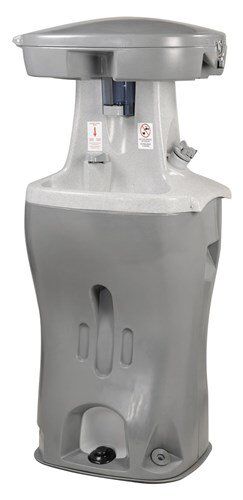
Handwashing stations designed for use with portable toilets come in two main types: self-contained and plumbed units. Self-contained stations are the most common choice for temporary setups. They include a freshwater reservoir, a soap dispenser, a paper towel holder, and a wastewater tank. These units do not require access to plumbing, making them highly flexible for placement. Reservoirs typically range from 15 to 60 gallons, supporting dozens of handwashing cycles before needing a refill. Plumbed units, on the other hand, connect directly to a water supply and drainage system. They provide continuous water access but require existing infrastructure. In most outdoor events or temporary sites, self-contained units are the preferred solution due to their versatility and ease of setup.
Placement, Accessibility, and Maintenance
Proper placement and accessibility are essential for handwashing stations to be effective. The general recommendation is to have one handwashing station for every four to six portable toilets. High-traffic locations may require additional units to prevent long waits. Stations should be positioned in visible and convenient locations, such as near the exit of restroom clusters or along main pathways. Level ground is necessary to prevent instability, and shaded areas improve user comfort by keeping water temperature moderate. Maintenance is a critical aspect of operation. Refilling water, restocking soap and paper, and emptying wastewater tanks are routine tasks that keep the stations clean and functional. Consistent servicing ensures users have access to reliable hygiene resources throughout the event or project.
Improving Hygiene and User Experience
Pairing handwashing stations with portable toilets significantly enhances sanitation standards. Without handwashing facilities, bacteria and viruses can spread easily, particularly in crowded environments. Accessible stations encourage proper hand hygiene, support public health, and help meet regulatory requirements. On construction sites, these stations are often necessary to comply with Occupational Safety and Health Administration guidelines, contributing to worker safety and productivity. For events, well-maintained stations demonstrate attention to detail and professionalism, which improves the overall user experience. Modern units often include touchless operation, low-water designs, and additional features such as integrated hand sanitizer dispensers, mirrors, or lighting. These improvements make stations more user-friendly and increase compliance with proper handwashing practices.
For events or projects that require portable restroom solutions, contact VIP Restroom to arrange handwashing stations and toilet rentals tailored to your needs. Our team provides delivery, setup, and maintenance, ensuring a clean, functional, and hygienic experience for every user.