
Porta Potty Rental Costs Explained: How to Get the Best Value With VIP Restrooms
Porta potty rental pricing can feel inconsistent until you understand what the price is actually covering. You are not paying only for a unit dropped on site. The cost reflects equipment availability, transportation, fuel, driver time, route planning, waste removal, cleaning labor, restocking supplies, and disposal at approved facilities. These factors change based on where the unit is placed, how heavily it will be used, and how often it needs attention to stay sanitary. Once you view a rental as a logistics and service operation instead of a simple product, the price differences between two quotes start to make sense.
Getting the best value starts with replacing guesswork with clear details. Portable restroom providers build accurate quotes from the scope, not from a rough idea of what you think you need. When customers share the basics early—such as location, dates, expected headcount or crew size, unit preferences, and site conditions—providers can match the right equipment and service schedule without padding for unknowns. This approach helps prevent the most common problem in portable sanitation: a rental that looks inexpensive on paper but ends up needing unplanned servicing, last-minute changes, or rushed logistics, which increase costs and create disruptions on site.
How Use Case and Rental Length Shape the Base Price
The first major pricing driver is how the units will be used, because event needs and job site needs are not the same. A construction project typically has a stable daily user count over a longer period, with predictable peaks tied to breaks and shift changes. Providers price those rentals around recurring service routes and consistent access to the units for pumping and cleaning. Events concentrate demand into shorter windows, often with sharper spikes around arrival times, meal periods, intermissions, and final exits. Events also tend to bring higher expectations for cleanliness, supplies, and odor control because the units may be used by the general public, VIP guests, or attendees who have alternatives nearby. This combination often requires a tighter service plan and more coordination with venue rules, which affects cost.
Rental duration is the next factor that shapes the quote. A one-day or weekend rental can carry a higher cost per day because delivery and pickup still require dedicated trips, and those trips must be scheduled around your timelines. Longer rentals spread transportation costs across more days, but they add ongoing service and consumables over time. For long-term projects, duration also affects equipment commitment and route efficiency. If a provider allocates units for several months, they need to plan for consistent service visits, maintain the units in good condition, and keep replacement options available if a unit is damaged or moved. From a customer perspective, value improves when the schedule is realistic from the start, including the true end date, because repeated extensions or early pickups force last-minute route changes that can add charges.
Unit Mix and Service Frequency Drive Total Cost
The number of units required is often the place where budgets go off track, usually from underestimating peak demand. A crowd that seems manageable in total attendance can still overwhelm a restroom area during short bursts, which creates long lines and heavy usage. On a job site, a crew size that seems modest can still fill tanks quickly if the units serve multiple shifts or the site is far from other facilities. When units are overused, service frequency becomes the pressure point. If servicing is not planned to match usage, you can end up paying for emergency visits or dealing with units that are temporarily out of acceptable condition. The goal is to right-size the count based on the highest-use periods, not the quietest moments.
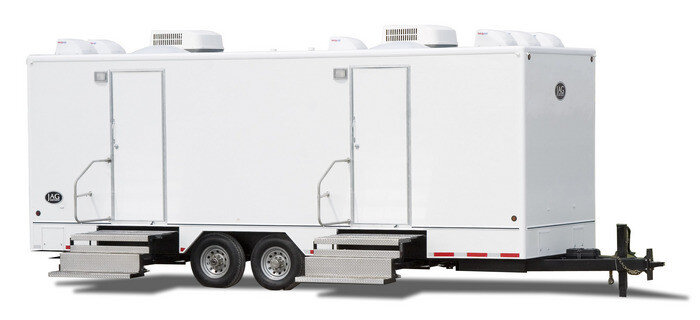
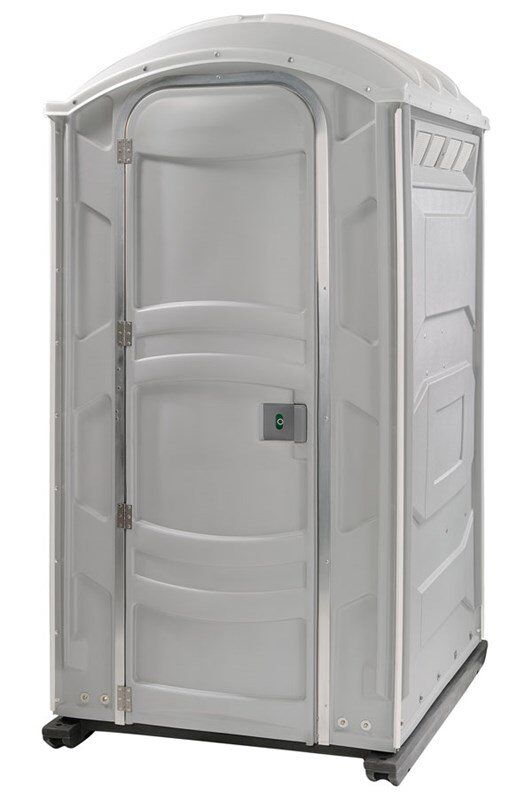
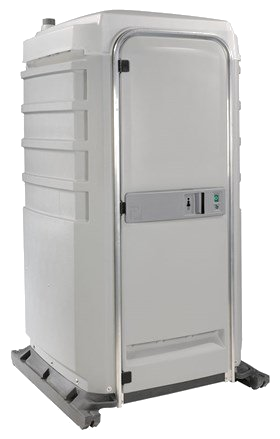
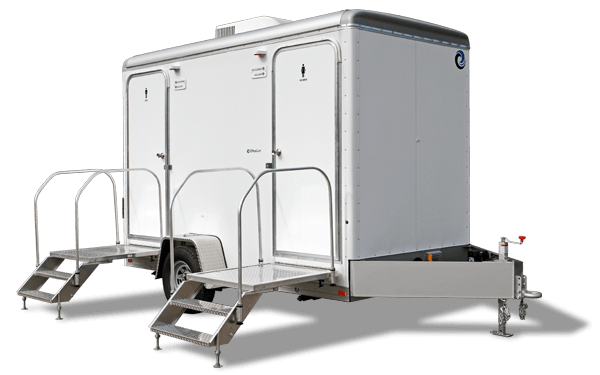
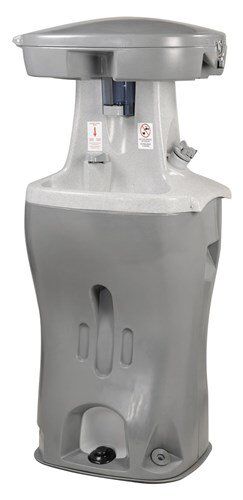
Unit type also matters because not all portable restrooms are interchangeable. Standard units are priced differently than ADA-accessible units, which are larger and have specific interior clearance and entry needs. Some sites require a certain number of accessible units, and even when the requirement is not formal, accessible units can still be important for public-facing events where attendees include people using mobility devices. Handwashing stations add equipment and refilling needs, and they also influence servicing because water, soap, and paper supplies must be monitored and replenished. Restroom trailers and higher-end options add power considerations, interior cleaning time, and a different delivery approach. A quote becomes more accurate when you tell the provider what level of unit you actually need for your audience, your site, and your expectations for comfort and upkeep.
Servicing and maintenance frequency is a core driver of total cost and a major lever for value. Servicing generally includes pumping, cleaning, restocking paper and sanitizer, and checking the unit condition. The right service schedule depends on how many users you have, how many hours per day the units will be in use, and the environment. A dusty job site, a hot summer festival, or a muddy outdoor market can increase cleaning needs even if the headcount stays the same. Cutting service too aggressively can look like savings in the quote, but it can create avoidable issues that cost more later through urgent visits, complaints, and operational delays. A practical approach is to set a baseline service frequency that matches realistic use, then build in a plan for heavier periods, such as high-attendance days or major concrete pours when crews expand.
Logistics, Local Rules, and the Details Providers Need to Quote Accurately
Site access, logistics, and delivery conditions often explain why two similar rentals are priced differently. Portable restroom trucks need safe access for drop-off and for pump-out service visits. Tight alleys, low-clearance entrances, soft ground, steep grades, locked gates, and limited delivery windows slow down the work and can require additional labor time. Venues sometimes restrict truck access to specific hours, or they require coordination with security, facility staff, or event production teams. Remote job sites can add travel time, and long travel legs reduce route efficiency, which is a real cost for service providers. You get better value when you plan placement locations that are convenient for users but also accessible for service vehicles, and when you provide an on-site contact who can solve access issues quickly during deliveries and service visits.
Delivery conditions also include practical placement realities. A unit placed on uneven ground can create stability and usability problems, and it can slow down installation. A unit placed too close to fences, dumpsters, or equipment may be harder to service without moving obstacles. On active job sites, the footprint can change quickly, and units sometimes get moved without notifying the provider, which can lead to missed service visits or extra time spent locating the equipment. Clear placement instructions and a consistent plan for where units will remain during the rental help keep service efficient and predictable.
Regional differences play a role because the cost structure behind portable sanitation varies by area. Labor rates, disposal fees, fuel costs, and travel distances are not the same in every market. Urban locations can involve tighter delivery windows, congestion, and staging restrictions, while rural locations can involve longer drive times and fewer disposal options nearby. In some regions, seasonal demand swings also affect availability. The best way to handle this is to treat regional pricing as a normal reality of logistics-driven services and focus on what you can control, which is providing accurate details early enough that the provider can plan the job efficiently.
Local regulations, permits, and compliance requirements can influence both pricing and planning. Some cities and counties require permits to place portable restrooms on public property, in rights-of-way, or in specific parks and event spaces. Certain venues have their own rules about placement, servicing times, and waste handling expectations. Job sites have workplace sanitation expectations that include maintaining facilities in a sanitary condition, and that often translates into service schedules and equipment counts that are appropriate for the workforce size. If permits are required or the site has restricted access conditions, the provider may need additional coordination time, specific delivery methods, or documentation that adds to cost. Customers improve value by identifying these requirements up front, rather than discovering them after equipment is already scheduled.
Accurate quotes depend on complete information, and the fastest path to a clean quote is sharing the details a provider needs to do the job correctly. Location matters because it sets travel, availability, and local disposal routing. Dates and hours matter because they determine delivery and pickup windows, and they set the service schedule. User counts matter because they determine the unit count and servicing needs. Unit type matters because it sets the equipment mix and placement requirements. Access details matter because they set the time and method required for deliveries and service visits. When any of these are missing, a provider has to assume, and assumptions often raise costs because the provider has to protect schedule reliability and compliance.
A few planning mistakes show up repeatedly across events and job sites. One is waiting until the last minute, which reduces options and forces rushed delivery schedules. Another is giving a low estimate of attendance or crew size to keep the quote down, then dealing with overloaded units and unplanned service calls. A third is overlooking site access, such as gated areas, narrow entries, or placement locations that service trucks cannot reach. A fourth is ignoring how weather and terrain affect service and cleanliness, especially for outdoor events where the ground can turn soft and foot traffic increases dirt and mud. These issues are avoidable when you treat portable restrooms as part of operational planning rather than a late-stage checklist item.
VIP Restrooms supports customers nationwide, which can simplify planning when you manage events or projects across multiple states or when your organization needs consistent service support in different locations. When evaluating Porta Potty Rental Costs, value comes from clear communication and realistic expectations, backed by a provider that can coordinate equipment, delivery, and servicing based on the specific conditions at each site. The strongest outcomes happen when the rental plan is built around how the restrooms will actually be used, what access will look like on the ground, and what level of servicing will keep the units clean and functional for the entire rental period.
Successful restroom planning for a California county fair or outdoor market starts with thoughtful coordination. VIP Restrooms works with organizers to align unit count, placement, accessibility, handwashing support, and servicing schedules with real attendance patterns and site flow. The result is cleaner restrooms, smoother lines, and a rental plan that stays predictable throughout the event. Start the planning process early by calling us or requesting a quote today. Our team will help you build a restroom setup that supports your event from opening day through closing time.