
Portable Restroom Rentals for Construction Sites: Regulations, Comfort & Compliance
Portable restroom pricing for construction sites frustrates many buyers for a simple reason. The number on the quote is rarely about the unit alone. The rental price reflects a service plan that must meet health and safety expectations over time, in changing conditions, on a site that may be easy to reach one day and difficult the next. If you have compared two quotes that seemed far apart for what looked like the same scope, the difference is often tied to how each provider accounts for compliance, servicing, and logistics. The most reliable way to get strong value is to understand what drives costs and to share the details a rental provider needs to quote the job accurately from the start.
Regulations That Set the Baseline for Pricing
Regulations form the foundation because they define the minimum level of sanitation required for people working on site. In the United States, construction sanitation expectations are addressed under OSHA’s construction standards, and they focus on providing toilet facilities and maintaining them in sanitary condition. Beyond federal requirements, state and local rules, project owner requirements, and job site policies can add constraints on placement, access, servicing, and sometimes the types of units permitted. The impact on price is direct. If rules and site policies push you toward more units, more frequent service, added handwashing support, or specific accessibility requirements, the quote must reflect that expanded scope. This is where the “cheapest unit” mindset often fails on active construction work. A compliance-based plan sets the minimum spend, and the site’s day-to-day realities shape everything that follows.
Service, Logistics, and Site Conditions That Drive Cost
The next major driver is use intensity, which is where comfort and compliance overlap. Comfort on a construction site is about keeping facilities usable for people who rely on them every day. Higher usage increases the rate at which tanks fill, supplies run out, and cleanliness declines. When restrooms fall behind, you risk complaints, downtime, and avoidable health concerns, and you can also invite scrutiny if conditions deteriorate. Providers price for the servicing required to keep units functional. A unit serviced on a predictable schedule usually costs less to maintain than one that requires extra trips because it was underserviced for the crew size or the phase of work. For most projects, the most efficient approach is matching service frequency to real headcount and real site conditions, then adjusting as the project changes.
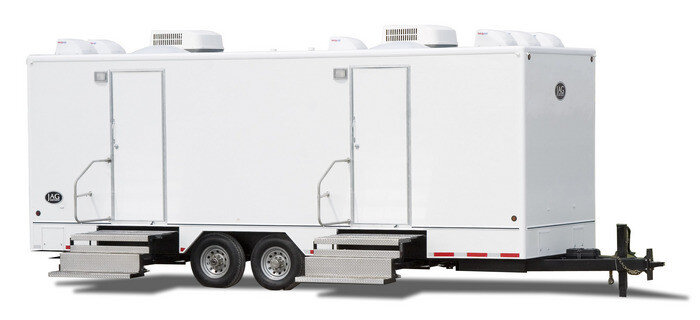
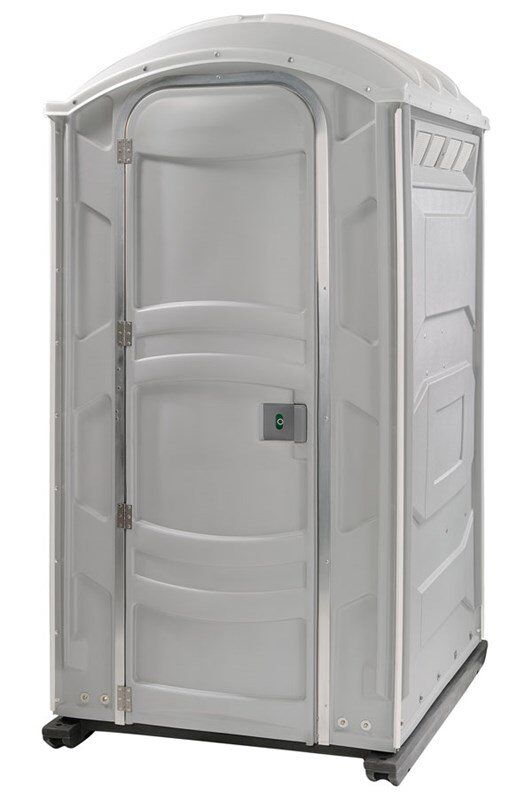
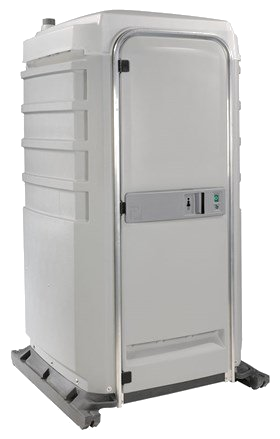
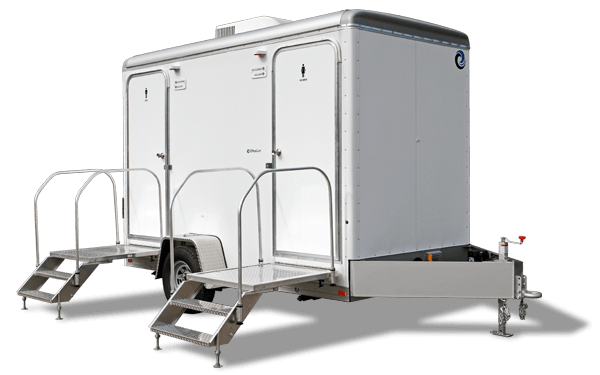
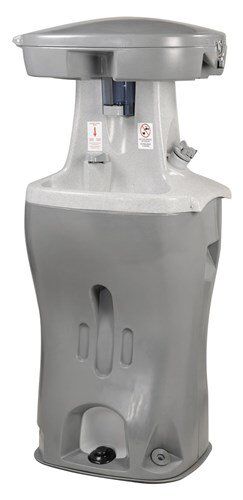
Unit type is often the first factor customers consider, and it matters. Standard portable toilets are typically the starting point for many construction sites because they are designed for durable use and routine service. Costs generally rise as equipment becomes more specialized or adds components that require extra maintenance. Units that include sinks, flushing mechanisms, or configurations designed for high-rise placement can take more time to deliver, stage, and service. ADA-accessible units are also common requirements and tend to be priced differently based on size, handling, and availability. Handwashing stations can be priced separately because they involve additional equipment, water capacity, and consumable restocking. On active sites, that added support can be a practical choice because it strengthens hygiene practices and reduces the chance of preventable problems that lead to mid-project changes.
Rental duration is one of the biggest cost levers you can plan for, and it is also one of the easiest to misjudge. Construction restroom rentals usually include delivery, pickup, and a defined service schedule for the time the unit remains on rent. Short rentals can look expensive on a per-day basis because delivery and pickup still require labor, route coordination, and equipment time regardless of how long the unit stays. Longer rentals often spread those fixed logistics costs across more days, so the ongoing portion of the price becomes the service work and the equipment being assigned to your site. Clear start and end dates matter for the same reason. If a provider schedules pickup and you extend at the last minute, it can create extra trips or disrupt routes, which may lead to additional charges. The best value typically comes from realistic timelines and early communication when schedules shift, which is common on construction projects.
Service frequency is where pricing becomes truly site-specific. Servicing is not a vague add-on. It is the work of pumping waste, cleaning, restocking supplies, and transporting waste for proper disposal in compliance with local rules. More frequent service increases cost because it raises labor time, travel, disposal fees, and operational complexity. Less frequent service reduces cost only until the unit can no longer stay sanitary and usable. When the service schedule falls behind real usage, the site often pays in other ways, including extra calls, more intensive cleanings, and sometimes repairs or replacements if units are damaged due to neglect or misuse. Weather can also influence needs. Hot conditions can make odor control harder and increase the perceived need for cleaning. Heavy rain and mud can restrict access, turning a routine service into a longer stop if trucks cannot safely reach the unit.
Crew size and site layout affect both compliance and cost. If crews are spread across a large site, a single cluster of units can be technically present yet impractical due to walking time, safety constraints, or restricted areas. When restrooms are too far, productivity drops and crews may improvise in ways that create serious hygiene and compliance issues. Adding units in the right locations can increase rental cost, but it can also reduce the need for overly frequent service on a single overused unit and limit disruptions to the workday. Layout also affects servicing efficiency. Units placed behind locked gates, inside fenced zones, or on ground that becomes unstable after rain can take longer to reach, and that extra time is part of what providers must account for in pricing.
Site access and delivery conditions are another consistent reason quotes vary. If a truck can pull in, set the unit, and leave, costs stay straightforward. If access requires timed entry, escorting, special safety steps, or long carries, the provider has to plan for additional labor and time on site. Urban projects may involve tight streets, limited staging areas, and strict delivery windows. Remote projects may involve long drive times and fewer nearby disposal options, which can raise service costs. Some sites also require units to be placed with equipment such as forklifts or cranes, especially for elevated decks or high-rise work. In those situations, pricing reflects coordination and handling requirements, not just the unit itself. Sharing these constraints during quoting is one of the most effective ways to avoid surprises later.
Local disposal fees and operating costs can influence what you pay as well. Even when equipment looks the same across regions, the cost of legal waste disposal and route operations can differ. Providers also consider equipment availability. If a region is experiencing high demand due to seasonal construction peaks, emergency response activity, or major local events, inventory can tighten, and specialized units may carry higher rates. Planning ahead helps because it gives the provider more flexibility to align equipment and routes efficiently, which often results in a cleaner and more stable quote.
Damage, misuse, and relocation are common sources of unexpected charges, so it helps to address them directly. Construction sites are demanding environments for any equipment. Units can be tipped, struck, vandalized, or moved by someone trying to help without understanding the placement plan. If a unit must be relocated frequently as work zones shift, that typically involves additional labor beyond the normal service schedule. Better value often comes from treating restrooms as managed site assets. Place them intentionally, keep them accessible for service trucks, secure them when possible, and establish a clear point of contact so issues can be resolved quickly without repeat trips.
How to Get Accurate Quotes and Better Value Through Planning
If you want accurate pricing and dependable value, the most helpful step is providing clear operational details up front. A provider can quote more accurately when they know the site address, expected start date, expected duration, approximate peak headcount, shift patterns, and access constraints such as gate hours or escort requirements. They also need to know the unit mix you want, including accessibility needs and any handwashing support, along with intended placement relative to active work zones. If you are uncertain about the right number of units or the right service frequency, say so. A practical provider can help align the plan with compliance expectations and real usage patterns, which often saves money by preventing under scoping that leads to extra trips and mid-project fixes. Clear communication also protects your budget as conditions change. When headcount increases, subcontractors arrive, or access changes due to a new phase of work, updating the provider early is usually less costly than reacting after problems appear.
Reliable restroom planning plays a key role in keeping construction projects on track. VIP Restrooms supports contractors nationwide with portable restroom rentals that align with site regulations, crew demands, and changing job conditions. With experience across active construction environments, our team helps ensure the right units and service plans are in place from day one. Call our team or request a quote to receive portable restroom support designed around your project’s requirements and timeline.