
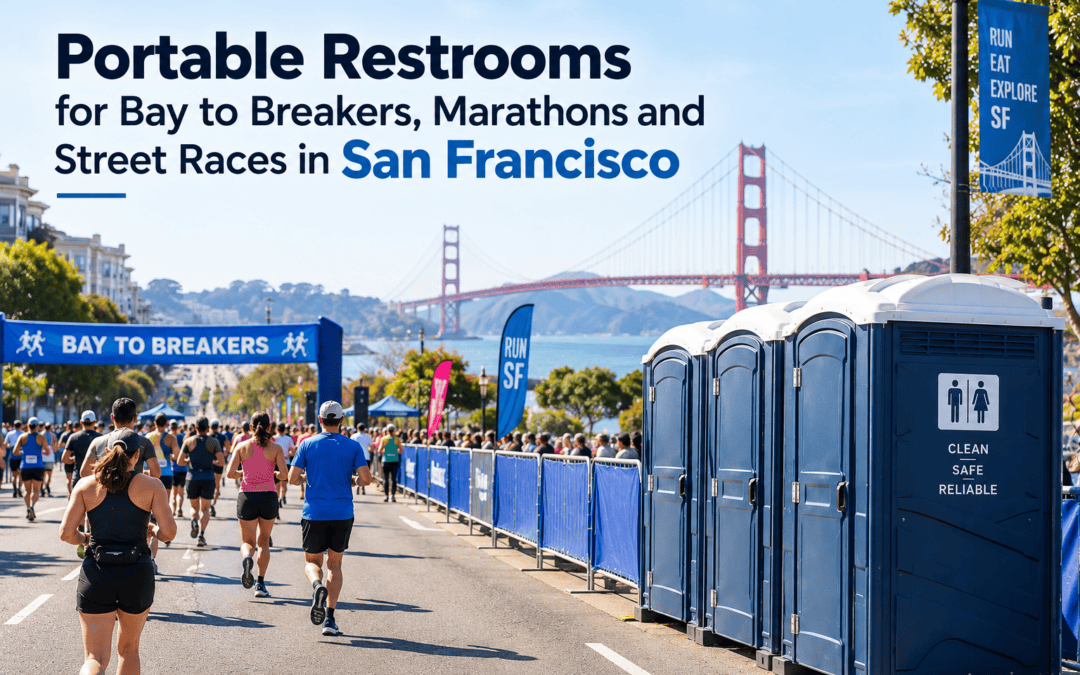
Portable Restrooms for Bay to Breakers, Marathons and Street Races in San Francisco
Running events in San Francisco bring thousands of runners and spectators onto city streets, often before sunrise. Good marathon and race restrooms keep start lines moving and keep runners from leaving the course. A common guideline is one portable toilet for every 50 participants, weighted toward the start area, plus hand-washing stations and ADA-accessible units.
A standard porta potty typically starts around $150-$325 per unit for a short rental, and restroom trailers for VIP and staff areas start around $1,000. Race-day pricing depends on unit count, the number of drop points along the course, and early-morning delivery and pickup.
Whether you’re organizing a race, running a charity team tent, or hosting a party along the Bay to Breakers route, here’s how to plan restrooms in San Francisco.
Race Restroom Costs at a Glance
| Portable Restroom | Typical Starting Cost | Best Use on Race Day |
|---|---|---|
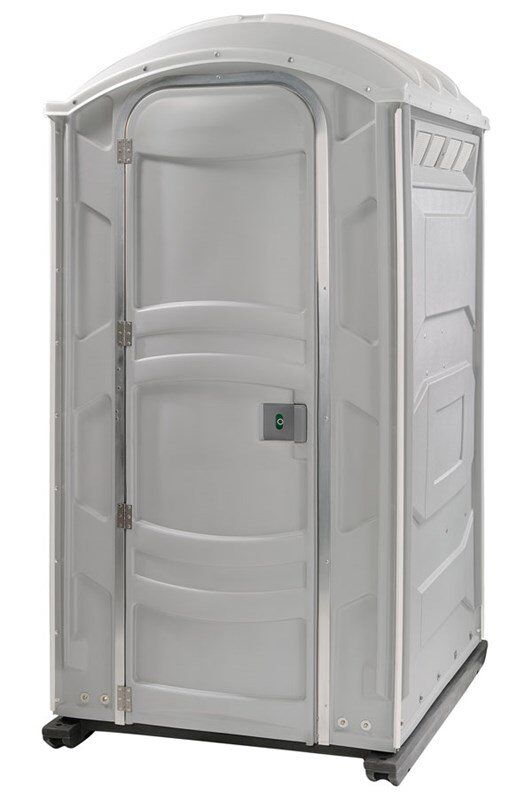
| Standard Porta Potty | $150-$325 per unit | Start corrals, aid stations, finish festival |
| ADA-Accessible Unit | Custom quote | Every restroom bank |
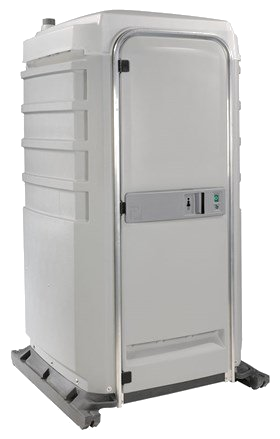
| Deluxe Sink Porta Potty | $175-$375 per unit | Food and beer garden areas |
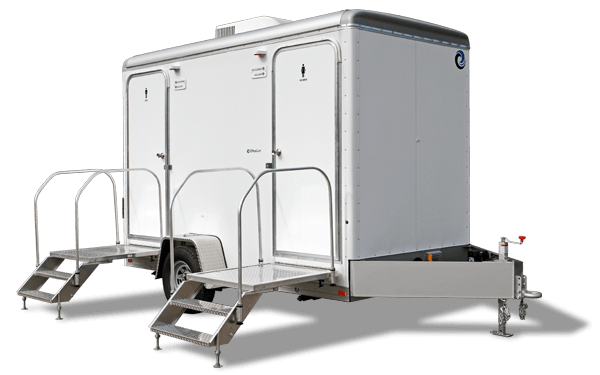
| Restroom Trailer | From around $1,000 | VIP tents, sponsor areas, staff and volunteers |
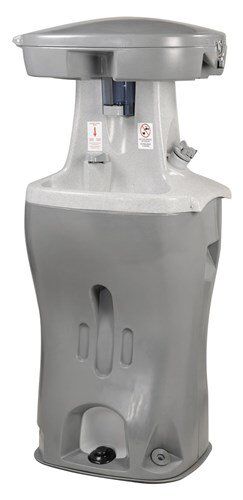
| Hand-Washing Station | $150-$250 | 1 per 2-4 toilets, near food |
These are VIP Restrooms’ published starting ranges for short-term rentals. See our full porta potty rental prices and our 2026 pricing guide for what drives each quote. Large races are custom-quoted.
Why San Francisco Races Need Careful Restroom Planning
San Francisco hosts some of the country’s best-known running events. Bay to Breakers, a 12K typically held in May, runs from near the Embarcadero through Golden Gate Park to Ocean Beach and is famous for its costumes and crowds. The city also hosts The San Francisco Marathon, half marathons, and many 5K and 10K charity runs.
- Start lines are crowded. Most runners want a restroom in the last hour before the gun, so lines at the start are the biggest risk.
- Courses are point to point. Many routes cross several neighborhoods, so restrooms are needed at the start, along the course, and at the finish.
- Streets close early. Units have to be delivered before road closures and picked up after streets reopen.
- Spectators add demand. Parties and crowds along popular routes can use as many restrooms as runners do.
How Many Portable Toilets Does a Race Need?
VIP Restrooms recommends one toilet per 50 participants, with most units at the start. Add more for longer races, big spectator crowds, or events with food and drinks.
| Participants | Total Toilets (1 per 50) | Suggested Split |
|---|---|---|
| 500 (5K or 10K) | 10 | 6 at start, 4 at finish |
| 2,000 | 40 | 24 at start, 6 on course, 10 at finish |
| 5,000 (half marathon) | 100 | 60 at start, 15 on course, 25 at finish |
| 10,000+ | 200+ | Start banks by corral, units at every aid station, finish festival banks |
Include at least one ADA unit in every bank, and one hand-washing station for every 2-4 toilets near food. For more event ratios, use our porta potty planning guide.
Where to Put Restrooms on a Race Course
Start Area
Put the largest banks near the start corrals, in long rows with space for lines. Place them so runners can use a restroom and still reach their corral on time.
Along the Course
Place 2-4 units at aid stations, often every 2-3 miles on longer races. Set them just off the course so runners don’t block the route.
Finish Area
The finish festival needs restrooms for runners, families, and spectators, plus hand-washing near food and drink. Restroom trailers work well for sponsor and VIP tents.
Staff and Volunteers
Volunteers often arrive hours before runners. Give them their own restrooms near check-in and gear areas.
For multi-day race weekends, organizers can also add shower trailers for staff and athletes.
Restrooms for Parties and Teams Along the Route
Race organizers handle restrooms on the course, but many other groups plan their own on race day:
- Charity teams hosting tents before and after the race.
- Businesses along the route that want to keep crowds out of their restrooms.
- Neighbors hosting viewing parties on private property.
- Sponsors with hospitality areas.
For a private gathering, see our tips for party porta potty rentals. Placing units on a sidewalk or in the street may need city approval, so check the rules and the race’s street closure plan before booking.
Race Day Logistics in San Francisco
- Deliver before road closures. Plan delivery the day before or early race morning, based on the closure map.
- Level the units. Hills are common, so choose flat spots for restroom banks.
- Anchor against wind. Wind near Ocean Beach and the waterfront can move units, so ask for tie-downs.
- Light early starts. Many races start around sunrise, so make sure start-area banks are visible and lit.
- Service mid-event. For long events, ask for a service truck on site to pump and restock busy banks.
- Plan pickup. Schedule pickup after streets reopen, and keep units locked if they sit overnight.
What Affects the Cost?
Number of units. The biggest factor, based on runners and spectators.
Drop points. Each separate location on the course adds delivery time.
Timing. Early-morning, overnight, or weekend delivery may cost more.
On-site service. A service crew during the event adds cost but keeps lines moving.
Unit mix. Trailers and ADA units cost more than standard units.
To save money, book early for spring and summer race season, share your course map and participant count, and compare the full quote, including delivery, service, and pickup.
Tips to Keep Race Day Lines Short
- Spread banks out. Several smaller banks near each corral work better than one long row.
- Add signs. Clear signs help runners find restrooms fast, especially in dark early mornings.
- Open early. Have units ready when gates open, not just before the start.
- Use volunteers. A volunteer at large banks can direct runners to open units.
- Plan for weather. Cool, foggy mornings are common in San Francisco, and runners wearing layers take longer in the restroom.
- Watch the finish. Finish-area demand peaks as the bulk of runners come in, so place extra units there if you have a festival.
Questions to Ask Before You Book
- Can you deliver before our road closures and pick up after streets reopen?
- How many units do you recommend for our participant and spectator count?
- Can you provide a service crew on site during the event?
- Do you include ADA units and hand-washing stations in every bank?
- Does the quote include delivery, setup, servicing, restocking, and pickup?
Frequently Asked Questions
How many porta potties do I need for a 5K with 1,000 runners?
Plan on about 20 toilets, with most at the start and the rest at the finish, plus ADA units and hand-washing stations.
Can restrooms be delivered before streets close?
Yes. Share the road closure schedule with your provider so units are delivered and set before closures begin.
Do you serve races outside San Francisco?
Yes. VIP Restrooms serves San Francisco and the Bay Area, including Oakland, San Jose, Palo Alto, and Half Moon Bay.
Get a Quote for Your Race
For an accurate quote, have ready your race date, course map, start and finish locations, participant and spectator counts, road closure times, and service needs. As a starting budget, plan on:
- $150-$325 per standard unit
- $175-$375 per deluxe sink unit
- $1,000+ per restroom trailer
- $150-$250 per hand-washing station
Large races are custom-quoted.
Need a quote? VIP Restrooms provides free, no-obligation quotes for marathons, street races, festivals, and concerts. Call (888) 437-0062 or Request a Free Portable Restroom Rental Quote.
Check Out More VIP Restrooms Blogs
Ready to Rent?
Get portable restrooms for your next race or event: