
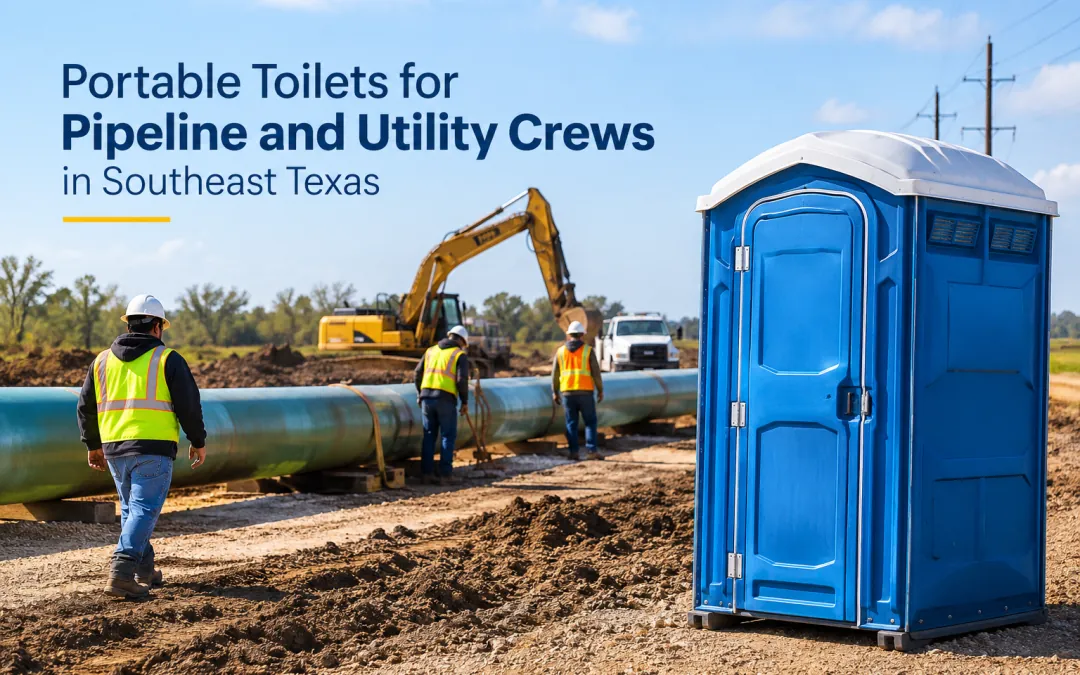
Portable Toilets for Pipeline and Utility Crews in Southeast Texas
Pipeline and utility crews don’t stay in one place. A right-of-way crew can move several miles in a week, and a line crew may cover multiple work sites in a single day. Portable sanitation for these jobs usually means standard porta potties at yards and staging areas, plus towable units that move with the crew.
Standard units typically start around $150-$325 per unit for short rentals, and hand-washing stations run about $150-$250. Longer pipeline spreads and utility contracts are usually quoted monthly, based on crew size, how often units move, and how far service trucks have to drive.
From Beaumont, Port Arthur, and Orange to Liberty, Mont Belvieu, and Houston, here’s how to plan restrooms for crews on the move.
Pipeline and Utility Sanitation Costs at a Glance
| Portable Restroom | Typical Starting Cost | Best Use |
|---|---|---|
| Standard Porta Potty | $150-$325 per unit | Pipe yards, laydown areas, fixed work sites |
| Towable Porta Potty | Custom quote | Crews that move daily or weekly |
| Deluxe Sink Porta Potty | $175-$375 per unit | Remote sites with no water source |
| Restroom Trailer | From around $1,000 | Main yards, field offices, storm staging areas |
| Hand-Washing Station | $150-$250 | Yards, staging areas, meal tents |
These are VIP Restrooms’ published starting ranges for short-term rentals. See our full porta potty rental prices and our 2026 pricing guide for more detail. Multi-week and multi-month projects are custom-quoted, and the effective daily cost is usually lower.
Why Mobile Crews Need a Different Sanitation Plan
Southeast Texas has one of the densest networks of pipelines, refineries, and petrochemical plants in the country, plus thousands of miles of power, gas, water, and fiber lines. These jobs share a few traits that affect restroom planning.
- The work site keeps moving. A unit dropped at mile 3 isn’t much use when the crew is at mile 12. Restrooms need to follow the crew or be spaced along the route.
- Sites are remote. Right-of-way work runs through pasture, timberland, marsh, and rice fields, far from any public restroom.
- Access roads are rough. Rain, clay soil, and low-lying ground can keep a service truck from reaching a unit.
- Crew sizes change. Pipeline spreads grow and shrink as clearing, welding, coating, lowering-in, and restoration crews rotate through.
What OSHA Requires for Mobile Crews
OSHA’s construction sanitation standard (29 CFR 1926.51) requires one toilet for up to 20 workers, and one toilet seat plus one urinal per 40 workers above that. It also says these rules don’t apply to mobile crews with transportation readily available to nearby toilet facilities.
That exception is narrower than it sounds. On a remote right-of-way or a marsh crossing with no gas station for miles, restrooms aren’t “nearby,” and a portable unit is the practical answer. Many pipeline operators and utilities also set contractor sanitation rules that go beyond OSHA’s minimum. Our guide to OSHA sanitation requirements explains the rules in more detail.
As a planning rule, VIP Restrooms recommends one portable restroom per 10 workers, with hand-washing near each restroom.
| Crew Size | Restrooms (1 per 10) | Suggested Setup |
|---|---|---|
| 5-10 (line or service crew) | 1 | One towable unit that travels with the crew |
| 11-30 (small spread or bore crew) | 2-3 | Towable units at the work front, 1 at staging |
| 31-100 (pipeline spread) | 4-10 | Units spaced along the route, a bank at the pipe yard |
| 100+ (large spread or storm work) | 10+ | Trailers at main yards, units at each work front |
For other crew sizes, use our porta potty planning guide.
Best Portable Toilet Options for Pipeline and Utility Work
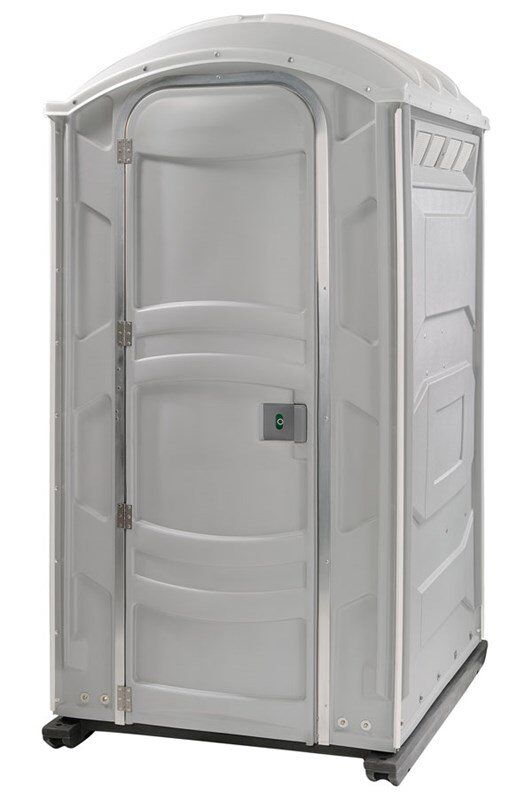
Standard Porta Potty: $150-$325
A standard portable toilet is the go-to choice for pipe yards, laydown areas, compressor stations, and substations, where the site stays put for weeks. Units have ventilation, anti-slip floors, and a translucent roof.
Best choice when: The work site stays in one place.
Towable Porta Potty: Custom Quote
Trailer-mounted units hitch to a crew truck and follow the work. This is often the easiest way to keep a restroom close to a crew that moves every day.
Best choice when: Line, right-of-way, and inspection crews change locations daily.
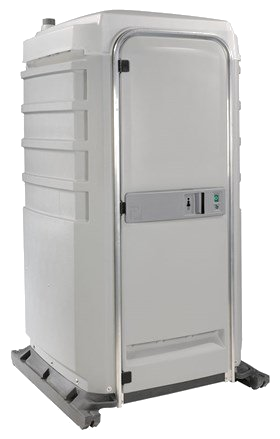
Deluxe Sink Porta Potty: $175-$375
A portable toilet with a sink adds a foot-pump sink, soap, and paper towels. It’s a good fit where there’s no water for washing up after handling pipe coating, fuel, or drilling mud.
Best choice when: The work area has no running water.
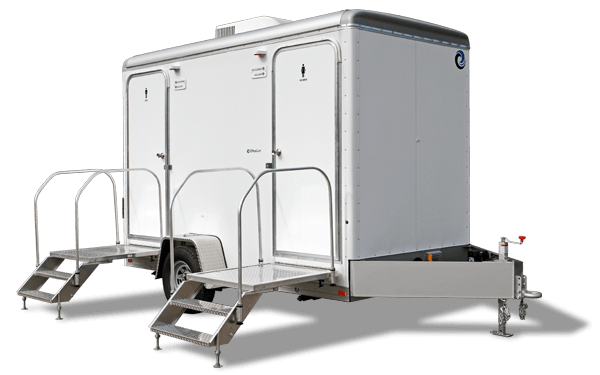
Restroom Trailer: From Around $1,000
Restroom trailers offer flushing toilets, running water, and lighting. Utilities often place them at storm restoration staging areas, where hundreds of lineworkers check in each day.
Best choice when: You have a large central yard with power available.
Keeping Restrooms Close to a Moving Crew
- Share the route and schedule. Give your provider the right-of-way map, access points, and weekly progress so units are placed ahead of the crew.
- Plan relocations. Decide whether your crew moves towable units or the provider moves standard units. Provider moves are usually billed per trip.
- Use access points. Place units near road crossings, gates, and access roads that service trucks can reach.
- Get landowner approval before placing units on private land.
- Share GPS pins or mile markers for every unit so drivers aren’t searching long rural routes.
- Secure units with stakes or tie-downs, especially near the coast.
Servicing Units on Remote Routes
- Weekly service works for small crews. A unit used by a handful of day-shift workers can often go a week between services.
- Larger crews need more. A spread with 30 or more workers, or any crew in summer heat, may need servicing two or three times a week.
- Plan for weather. After heavy rain, some rights-of-way become impassable for a pump truck. Place units on firm ground near roads so service can continue.
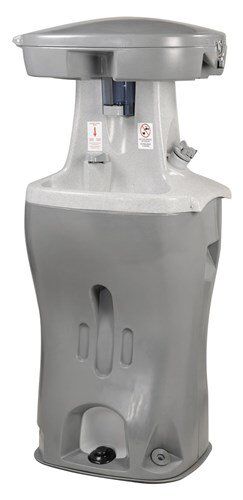
- Restock more than toilet paper. Ask for hand sanitizer, plus water and soap for sink units and hand-washing stations.
For projects longer than a month, ask about long-term porta potty rentals with a set service route.
Storm Restoration and Emergency Utility Work
Southeast Texas sits in the path of Gulf hurricanes, and hurricane season runs from June 1 to November 30. After a major storm, utilities bring in large numbers of lineworkers to restore power, often working long shifts out of temporary staging areas.
- Staging areas may need dozens of restrooms, trailers, and hand-washing stations on short notice.
- Field crews may need towable units that move from circuit to circuit.
- Service routes may change daily as roads reopen.
If your company handles storm response, talk to your provider before the season starts about availability and emergency and disaster relief restrooms. Crews working across the state line can also use our Lake Charles service.
What Affects the Cost?
Number of units. More crews and work fronts mean more units.
Rental length. A two-week repair and a six-month pipeline job are priced differently, and longer rentals cost less per day.
Relocations. Every move adds labor and drive time. Towable units your crew moves can cut this cost.
Distance and access. Remote rights-of-way and rough roads can raise the price.
Service frequency. Bigger crews and hot weather mean more pump-outs.
Accessibility. ADA-accessible units cost more but may be required at yards and offices.
To save money, use towable units for crews that move often, share your progress schedule so units are placed once, ask for monthly pricing, and compare the full quote, including delivery, relocations, servicing, and pickup.
Frequently Asked Questions
Do utility crews need portable toilets?
If crews don’t have quick transportation to nearby restrooms, yes. OSHA’s mobile crew exception only applies when restrooms are readily available nearby, which often isn’t the case on rural routes.
How many portable toilets does a pipeline crew need?
Plan on about one restroom per 10 workers at each work front, plus units at pipe yards and staging areas.
Do you serve Beaumont, Port Arthur, and Orange?
Yes. VIP Restrooms serves pipeline and utility projects across Texas, including Beaumont, Texas City, and the Greater Houston area.
Get a Quote for Your Crew
For an accurate quote, have ready your route or site locations, start date and length, crew size, how often crews move, access details, and preferred service schedule. As a starting budget, plan on:
- $150-$325 per standard unit
- $175-$375 per deluxe sink unit
- $150-$250 per hand-washing station
- $1,000+ per restroom trailer
Towable units, monthly rentals, and storm response are custom-quoted.
Need a quote? VIP Restrooms provides free, no-obligation quotes for pipeline spreads, utility crews, and construction site portable toilets. Call (888) 437-0062 or Request a Free Portable Restroom Rental Quote.
Check Out More VIP Restrooms Blogs
Ready to Rent?
Get portable restrooms for your next project: