
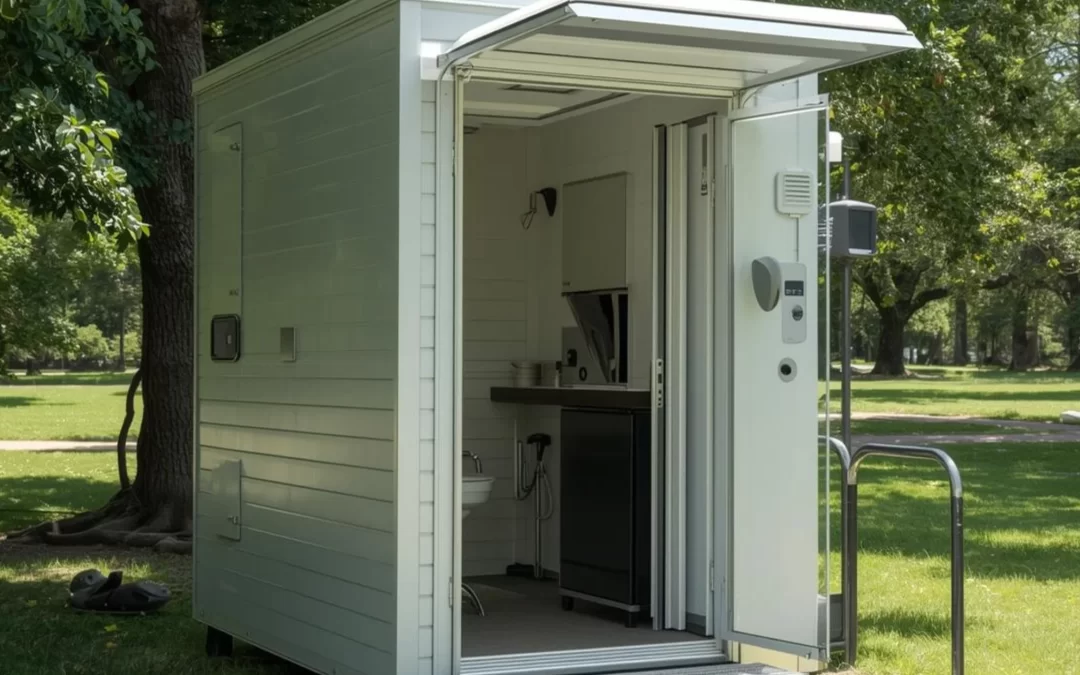
A well-executed portable restroom setup can shape how people experience an event or job site in ways that are often overlooked but immediately felt. When restrooms are clean, accessible, and comfortable, guests stay longer, workers remain productive, and the overall environment feels organized and professional. Poor planning, on the other hand, can lead to long lines, unpleasant odors, and frustration that quickly affect the entire experience. Getting the setup right requires a clear understanding of how comfort, cleanliness, and convenience work together in real-world conditions, not just in theory.
Prioritizing Comfort Through the Right Restroom Selection
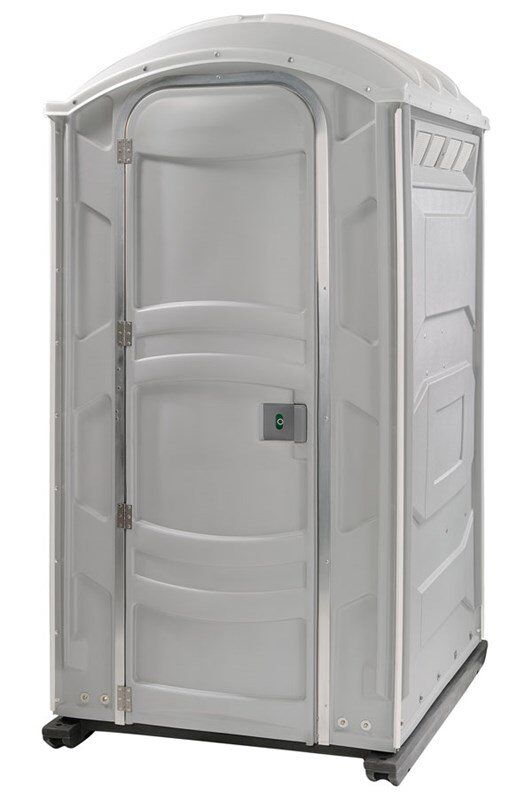
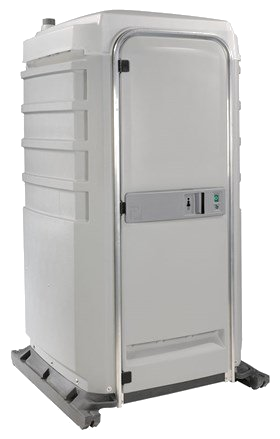
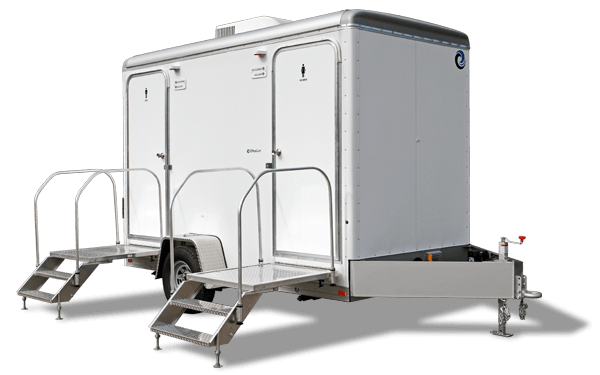
Comfort begins with selecting the appropriate type of unit based on the nature of the event or worksite. A large outdoor festival with continuous foot traffic requires durable, high-capacity standard units that can handle frequent use. In contrast, a wedding, corporate function, or private gathering benefits from restroom trailers that offer features similar to indoor facilities. Flushing toilets, running water, proper lighting, and climate control contribute to a more relaxed and familiar experience. These details are immediately noticeable and influence how people feel about the overall setup. When guests feel comfortable, they are more likely to stay longer and enjoy the event without distraction. Accessibility is also a key part of comfort. ADA-compliant units should always be included to ensure that all guests or workers can use the facilities safely and independently. This is both a practical and responsible decision that supports inclusivity.
Maintaining Cleanliness with Consistent Servicing and Smart Design
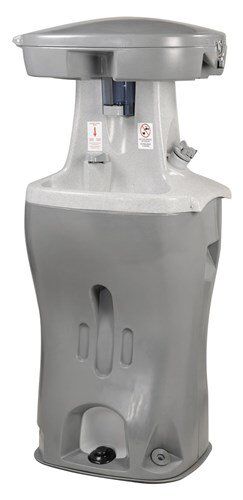
Cleanliness relies on both the quality of the units and the consistency of maintenance. Even well-designed restrooms will fall short if they are not serviced properly throughout their use. High-traffic environments require a clear servicing schedule that includes waste removal, restocking of supplies, and regular surface cleaning. Odor control is another important factor. Modern portable restrooms are built with ventilation systems and sealed tanks that help manage smells, but these features only work effectively when maintenance is consistent. Handwashing stations or sanitizer dispensers should be placed near restroom units to support proper hygiene. When users encounter a clean and well-maintained facility, they are more confident using it. This sense of cleanliness reflects directly on the professionalism of the event or operation.
Designing for Convenience with Strategic Placement and Planning
Convenience depends heavily on planning and execution. One of the most common challenges in portable sanitation is underestimating the number of units required. A setup that appears adequate at the start can quickly become overwhelmed once usage increases. Industry guidelines provide a helpful starting point, but adjustments should be made based on crowd size, event duration, and activity level. Events that include food and beverages often require additional units due to increased demand. Placement is equally important. Restrooms should be easy to locate without disrupting the main activity areas. Units placed too far away discourage use, while those placed too close can become a distraction. For larger spaces, distributing restrooms across multiple locations helps manage traffic flow and reduces wait times.
Infrastructure also plays a significant role in convenience. Restroom trailers often require access to power and water, so planning for these needs ahead of time prevents operational issues. In areas without direct connections, generators and water tanks can be used to maintain full functionality. Ground conditions must be considered to ensure that units remain stable and safe for use. Lighting is another essential detail, especially for events that continue into the evening. Proper lighting improves visibility and allows users to access facilities safely. Clear pathways and signage also contribute to a smoother experience by guiding people without confusion.
Attention to detail can make a noticeable difference in how a restroom setup is perceived. At upscale events, attendants can be assigned to maintain cleanliness, restock supplies, and address any concerns as they arise. This level of service helps keep facilities in excellent condition throughout the event. Simple additions such as mirrors, interior lighting, and coordinated décor can align restroom trailers with the overall theme. These elements create a more cohesive environment that feels thoughtfully planned. On job sites, the focus shifts toward efficiency and durability. Units should be placed close enough to work areas to minimize downtime while still maintaining proper sanitation standards. Regular servicing ensures that facilities remain functional and compliant with regulations.
Environmental responsibility is also an important consideration in modern restroom setups. Many portable units are designed to use less water and include environmentally safe chemicals for waste treatment. These features help reduce environmental impact while maintaining performance. Proper waste disposal and adherence to local regulations are necessary to ensure safe and responsible operation. Clients and event organizers are increasingly aware of these factors, and a well-planned setup reflects a commitment to responsible practices.
The best portable restroom setups are those that account for actual usage patterns and site conditions. They are based on practical decisions supported by experience. Working with a knowledgeable provider allows for better planning, from determining the correct number of units to organizing placement and maintenance schedules. If you are planning an event or managing a project and want a setup that operates efficiently from start to finish, reach out to VIP Restrooms. Our team can help you build a sanitation plan that keeps guests comfortable, maintains high cleanliness standards, and ensures convenient access throughout the entire duration.