

Event planning often depends on details that rarely get much attention, and restroom capacity is one of them. It influences how guests move through the space, how comfortable they feel, and how smoothly the event progresses. Choosing the right restroom trailer size is not a matter of guesswork. It requires a clear understanding of attendance, timing, guest behavior, and the level of experience you intend to provide. When this decision is handled properly, it prevents long lines, avoids interruptions, and supports the overall success of the event.
Start with Guest Count and Event Duration
The most reliable way to determine restroom trailer size begins with your guest count. Standard industry guidance suggests one restroom stall for every 25 to 50 guests during a four-hour event. This range reflects differences in how events operate. A casual outdoor gathering creates less demand than a seated dinner with drinks. For example, a group of 100 guests may be adequately served by a smaller two-station trailer during a short event, but that same group will require more capacity during a longer reception. These recommendations are based on consistent usage patterns observed across a wide range of events.
Event duration plays an equally important role. As the length of the event increases, so does restroom usage. A two-hour program generates a different level of demand compared to a six-hour celebration. Over time, even small shortages in capacity become noticeable as lines begin to form. For events that run throughout the day or extend across multiple days, planning must also include waste tank capacity and servicing needs. Larger trailers are built to handle extended use, which makes them a practical option for longer schedules.
Food and beverage service further increases demand. Events that include full meals and alcohol tend to produce higher restroom traffic. Guests visit more often, and each visit may take longer. This is common at weddings and corporate gatherings where guests spend more time socializing. Overlooking this factor often leads to underestimating the number of stalls required, which can affect the overall flow of the event.
Match Trailer Size to Event Type and Guest Flow
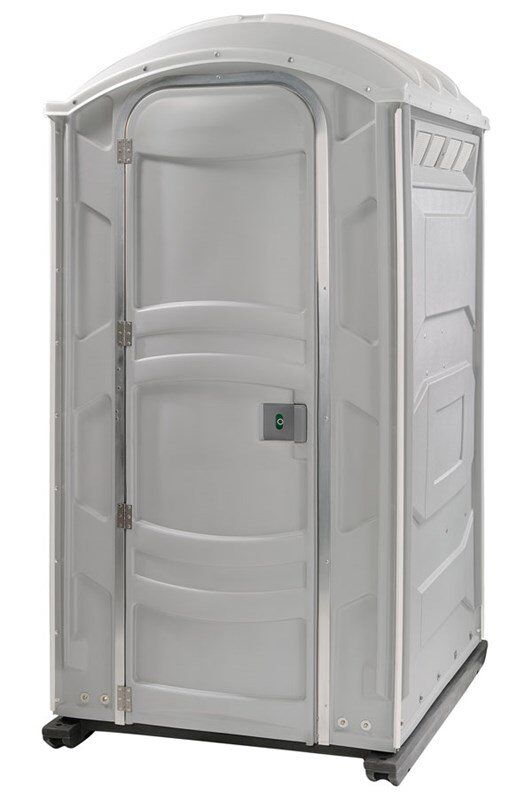
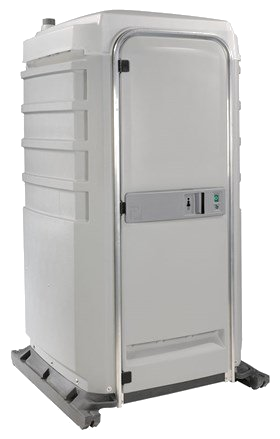
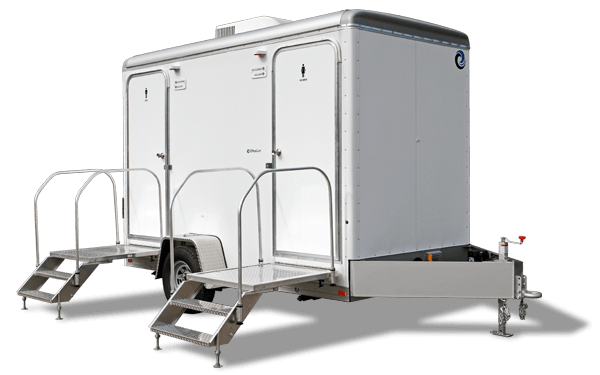
Restroom trailers are available in a variety of sizes, each designed for specific event scales. Smaller two-station units are well suited for gatherings of up to 50 guests. They are efficient, simple to place, and offer a clear improvement over standard portable toilets. Mid-sized trailers with three to five stalls are ideal for events with 75 to 200 attendees. These units are commonly used for weddings and private functions because they provide enough capacity without taking up excessive space. Larger trailers, which may include six to ten stations or more, are designed for high-traffic events such as festivals, concerts, and large corporate functions. In these settings, consistent demand requires enough stalls to keep lines from forming during peak periods.
Guest demographics also influence restroom usage. Female guests generally require more time per visit, which can result in longer wait times if facilities are not properly balanced. Many restroom trailers address this by offering more stalls on the women’s side or by using flexible unisex layouts. Taking the composition of your guest list into account allows for a more accurate selection and helps reduce congestion.
Factor in Site Conditions, Comfort, and Logistics
The presence of existing restrooms at the venue can influence the size of the trailer you need, but only if those facilities are accessible and sufficient for the expected crowd. Permanent restrooms often fall short during larger events due to limited capacity or inconvenient locations. In these cases, a restroom trailer becomes an essential addition rather than a backup. Relying too heavily on existing facilities without assessing their condition can lead to overcrowding and reduced guest comfort.
Interior features also affect how restroom trailers are used. Modern units often include flushing toilets, running water, climate control, mirrors, and proper lighting. These elements improve the guest experience, particularly at formal events. At the same time, they may slightly increase the amount of time each guest spends inside. While the difference is small, it becomes noticeable when multiplied across a large number of users. Planning for this helps maintain efficient traffic flow.
Site logistics are another important consideration. Larger trailers require adequate space for placement and clear access for delivery. They also depend on power sources and, in some cases, water connections. Locations with limited space, uneven ground, or restricted access may not accommodate larger units. In these situations, using multiple smaller trailers can provide a more practical solution. Addressing these logistical details early helps avoid complications during setup.
Weather conditions can also affect restroom usage. Higher temperatures often lead to increased beverage consumption, which raises demand. In cooler conditions, guests still expect a comfortable environment, which makes climate-controlled trailers especially valuable. While the weather may not change the number of stalls required, it does influence how frequently the facilities are used.
Selecting the right restroom trailer size requires careful evaluation of how the event will unfold. Each gathering has its own pace, and understanding that pace helps ensure that restroom capacity aligns with guest needs. From small private events to large-scale productions, the right choice supports both comfort and efficiency.
If you are planning an event and need help determining the appropriate restroom trailer size, contact VIP Restrooms for professional guidance. Our team can evaluate your event details and recommend a solution that ensures your guests remain comfortable and your event runs smoothly.